
George Stanko For Mayor


My Plan
Sarnia will be an innovative city with a diversified economy, welcoming neighbourhoods and excellent quality of life at every age. Growth must be responsible, measurable and shared across the community.
A Practical Growth Plan for Sarnia
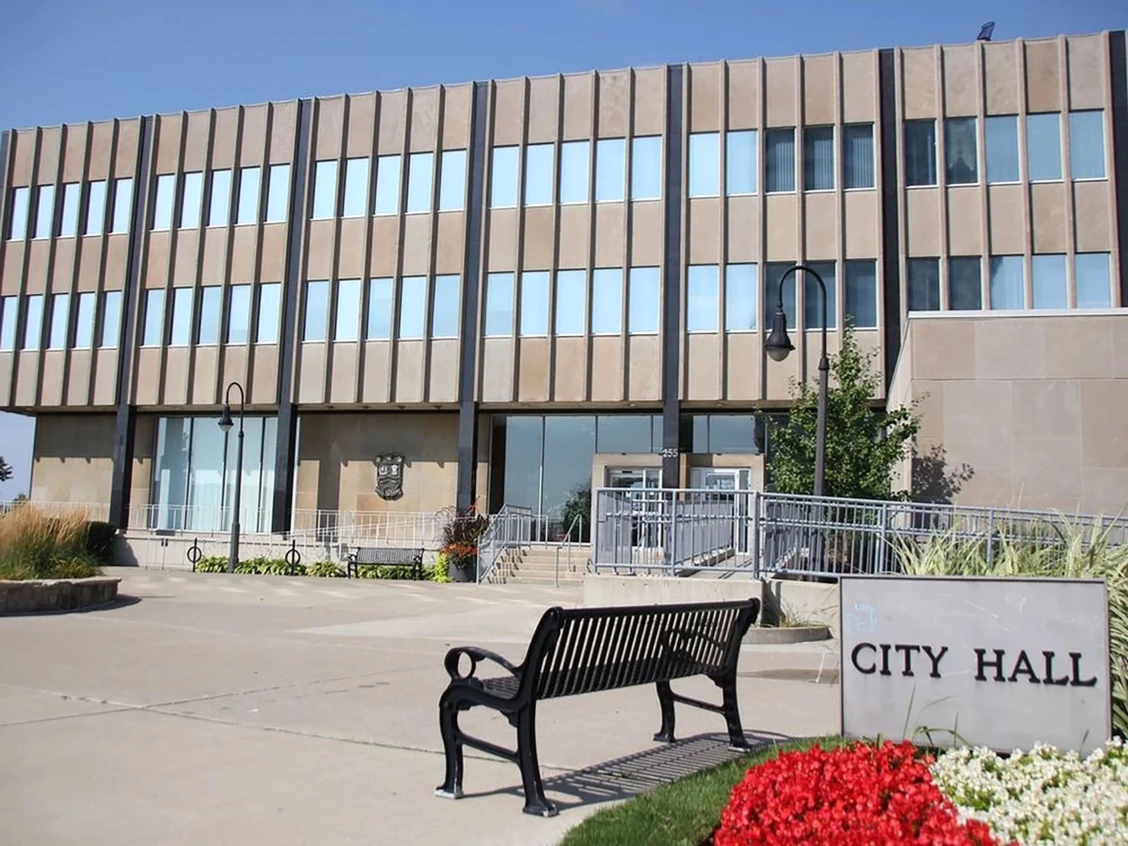
Sarnia is not short of assets. We are a border city on the St. Clair River with a working Harbor, Highway 402 access, rail links, the Blue Water Bridge, Sarnia Chris Hadfield Airport, Lambton College, the Western Sarnia-Lambton Research Park, Bio-industrial Innovation Canada, a major chemistry and energy cluster, established neighbourhoods, waterfront parks and people who are proud of where they live. The issue is not whether Sarnia has potential. The issue is whether City Hall is organized, urgent and disciplined enough to turn that potential into investment, jobs, housing, assessment growth and better services.
This platform offers a practical case for change: household affordability will not improve if Sarnia only argues over the same tax base year after year. The City must control costs, modernize service delivery and grow at the same time. That means faster approvals, investment-ready land, stronger partnerships with SLEP and regional institutions, disciplined use of City-owned assets, a visible downtown and waterfront strategy, and public reporting that shows residents what changed, what was delayed and why.
George Stanko’s commitment is to lead as a growth mayor: bring partners to the table, remove municipal barriers, protect essential services, and make City Hall easier to work with for residents, builders, employers, health partners, young people and seniors.
Four priorities
- Affordable, Accountable City
- Jobs, Investment and Housing
- Youth, Seniors and Belonging
- Health Access and Public Safety
1. Affordable, Accountable City
Residents deserve value for every tax dollar and clear evidence that City Hall is improving. A modern Continuous Improvement Program (CIP) should be permanent, practical and public.
First Actions
- Launch a City-wide service and process review focused on duplication, procurement, approvals, fleet, facilities, technology and customer service. Establish CIP as part of City culture.
- Require every department to publish service standards and performance measures, including response times, project delivery and budget variance.
- Apply a vacancy-control process while the organizational review is underway, while protecting front-line and safety-critical positions.
- Review the management structure and use attrition, redeployment and digital tools to optimize the organizational structure.
- Build internal planning, engineering and project-management capacity where a business case shows it will reduce recurring consultant costs. An experienced urban planner capable of completing studies will reduce most consulting costs
- Create the position of Growth manager within the city organization to be the focal point to drive growth
- Form a task force that includes our MP, MPP, growth manager and mayor to identify and drive growth opportunities
- Publish a quarterly Mayor’s Results Dashboard with costs avoided, service improvements, permits issued, investment leads, housing approvals and partnership outcomes.
A credible affordability pledge
Rather than promising an arbitrary across-the-board cut that could weaken essential services, set a first-year efficiency target after a public baseline review. Council should direct verified savings first to tax pressure, infrastructure renewal and high-priority services. Every proposed reduction should identify the service impact, implementation cost and risk.
Governance standard
No surprises, no hidden scorecards and no slogans without measures. Major initiatives will show the responsible lead, partners, milestone, budget source and public result.
2. Jobs, Investment and Housing
Economic growth is the strongest long-term answer to tax pressure. The City should lead as convener, regulator, infrastructure partner and champion, while using the Sarnia-Lambton Economic Partnership (SLEP) and other specialized organizations rather than duplicating their work. Create the position of Growth manager within the city organization to be the focal point to drive growth.
Form a task force that includes our MP, MPP, growth manager and mayor to identify opportunities to drive growth.
Meet quarterly, remove barriers and pursue a shared investment pipeline.
Focused Growth Agenda for Sarnia
- One front door for investment: a named City investment Concierge who coordinates planning, engineering, utilities and external partners for priority files. Make Sarnia business welcoming and friendly.
- Investment-ready employment lands: Work with SLEP, utilities, landowners and senior governments to identify serviced and serviceable industrial and commercial sites, remove infrastructure bottlenecks and market sites to sectors where Sarnia has a natural advantage. Maintain an inventory of serviced employment and development sites, identify infrastructure gaps and pursue senior-government funding.
- Sarnia Chris Hadfield Airport: Hire an airport manager with proven skills to develop the airport as a business hub supported by a market-tested plan for aviation services, training, logistics, business travel, emergency response and investment attraction. The airport is a goldmine waiting to be developed- the possibilities are just waiting for the right leadership.
- Great Lakes logistics and border advantage: Market Sarnia as a practical trade and logistics location with bridge, highway, rail, port, airport and industrial supply-chain advantages, while ensuring municipal approvals and infrastructure planning support that message.
- Small-business growth: simplify permits, support downtown and commercial-area renewal, and connect entrepreneurs to SLEP, the Chamber, Community Futures and college supports.
- Faster approvals: map every development approval, publish expected timelines, introduce pre-consultation and escalate stalled files.
- Chemistry, energy and hydrogen transition: Position Sarnia as Ontario’s practical home for industrial decarbonization by supporting sustainable chemistry, advanced manufacturing, hydrogen and research-to-commercialization pathways through Lambton College, the Research Park and Bioindustrial Innovation Canada.
- Sector strategy with SLEP: deepen strengths in sustainable chemistry, advanced manufacturing, hydrogen and low-carbon energy, agri-food, logistics, digital services and health innovation.
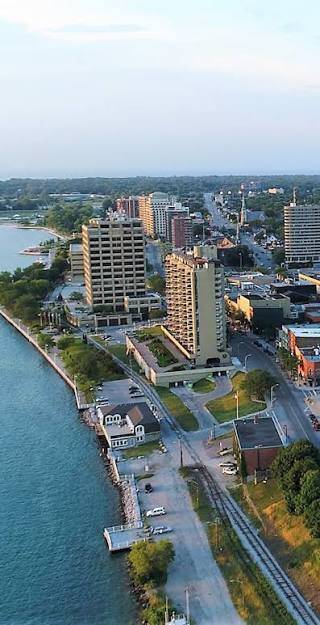
- Downtown-waterfront investment corridor: Advance the Downtown Waterfront Master Plan from Sarnia Bay Marina and Centennial Park to Rainbow Park with phased projects that improve public access, event space, marina activity, mixed-use development potential and stronger connections between downtown businesses and the waterfront.
- Ferry Dock Hill and public-realm renewal: Treat Ferry Dock Hill, Christina Street connections, waterfront walkability, lighting, seating and wayfinding as visible early wins that support tourism, downtown traffic, seniors’ mobility and civic pride.
- Downtown housing and mixed-use renewal: Prioritize approvals, servicing and partnership work for downtown and corridor housing, including redevelopment opportunities that add residents close to shops, services, transit, waterfront amenities and cultural spaces.
- Small-business growth: simplify permits, support downtown and commercial-area renewal, and connect entrepreneurs to SLEP, the Chamber, Community Futures and college supports.
- Housing for growth: accelerate a mix of starter homes, family housing, rentals, attainable units and age-friendly options near services and transit.
- Talent attraction: market Sarnia as a border city with career opportunity, affordable lifestyle, waterfront amenities, education and community connection.

3. Opportunities for the Youth
Young people stay when they can see a future. The City should connect education, work, recreation, culture, housing and civic leadership into one youth-retention agenda.
Sarnia Youth Opportunity Council
Create a diverse advisory council with a direct channel to the Mayor and Council. Give it a modest participatory budget for youth-designed community projects.
Better Summer Jobs Opportunites
Work with local employers, unions, non-profits, Lambton College and school boards to expand paid summer jobs, co-ops, apprenticeships, mentorship and career exploration.
Sarnia Youth Innovation Challenge
Run an annual challenge for solutions in clean technology, downtown vitality, accessibility, arts, tourism and community health. Winning teams receive mentorship and pilot support.
Safe Spaces for Youth
Expand safe, low-cost after-school and evening programming in libraries, arenas, parks and community spaces through partnerships with established youth organizations.
Stay and Return Network
Build an alumni and employer network for students who leave for study, promoting internships, local careers, entrepreneurship and reasons to return.
Youth Housing Pathways
Support more attainable rentals, shared housing options and housing navigation for students, apprentices and young workers within municipal authority and through partners.

4. A City Where Seniors Can Thrive
An age-friendly Sarnia benefits everyone. The focus should be independence, mobility, social connection, housing choice, safety and easy access to information.
Age Friendly Sarnia Action Table
Bring seniors, caregivers, service agencies, housing providers, transit, health partners and accessibility advocates together to set priorities and report progress.
Home and Neighbourhood Accessibility
Accelerate sidewalk, crossing, bench, lighting and bus-stop improvements using an age-friendly and accessibility lens.
Housing Choice
Enable gentle density, secondary suites, accessible apartments, downsizing options and supportive-housing partnerships so seniors can remain near family and community.
Community Connector Programs
Partner with libraries, cultural groups, faith communities and senior-serving agencies to reduce isolation through activities, volunteer roles, transportation information and friendly check-ins.
Inter-generational Sarnia
Pair youth and seniors for digital coaching, storytelling, home-safety education, arts, gardening and community service.
One-Stop Seniors Guide
Create a clear printed and online guide to municipal, county, provincial and community services, with telephone help for residents who are not online.
5. Better Access to Health Care
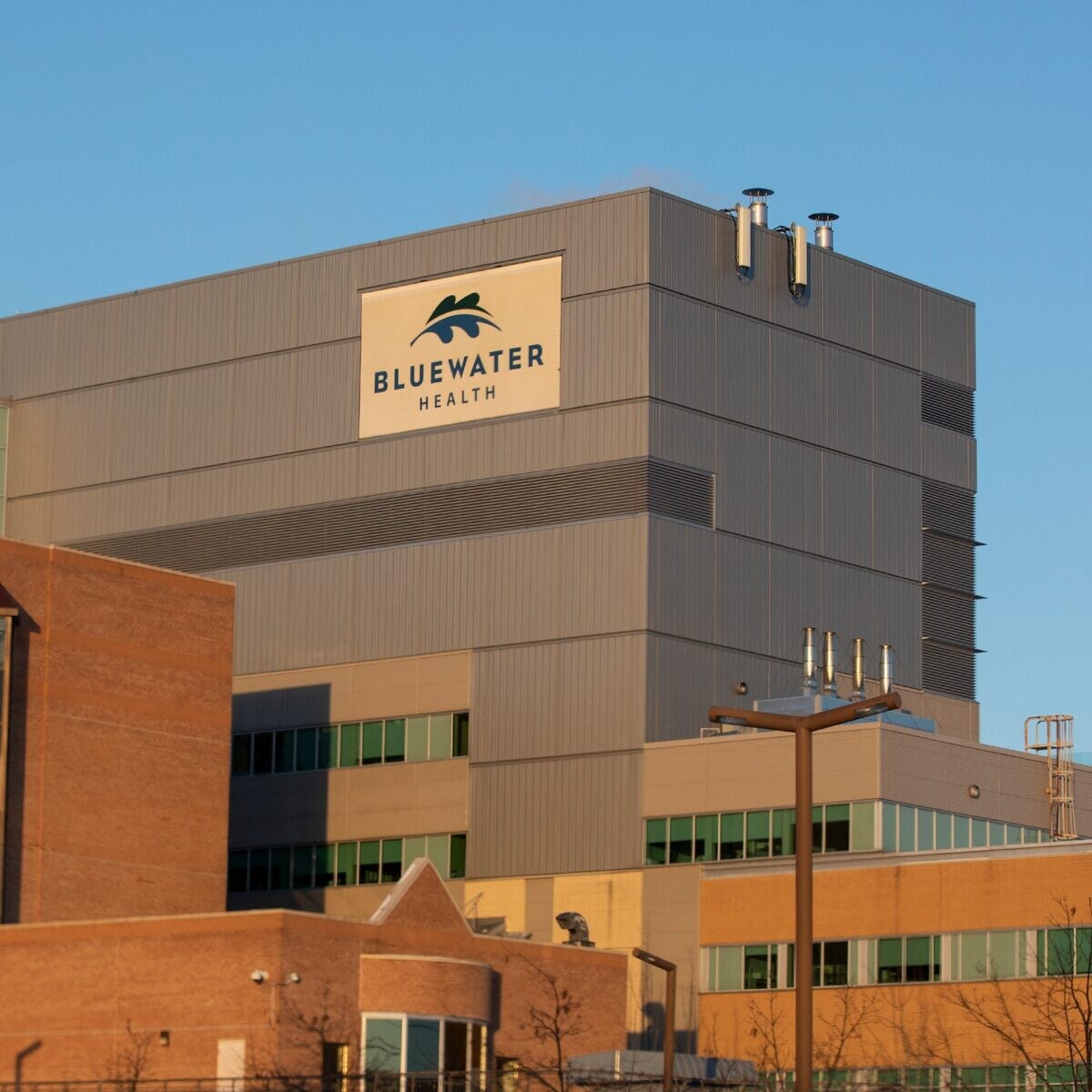
Hospitals and physician funding are principally provincial responsibilities, so a mayor must be honest about municipal authority. The City cannot order a hospital to reduce wait times. It can convene partners, advocate with evidence, support recruitment, address local barriers and help residents reach the right care.
Mayor's Health Access Partnership
Convene Bluewater Health, the Sarnia-Lambton Ontario Health Team, Lambton Public Health, primary-care leaders, Ontario Health, Lambton College, emergency services, Indigenous health partners, patient representatives and senior governments around a public action plan.
- Create a coordinated physician and health-professional recruitment brand with local health employers and Ontario Health’s recruitment supports.
- Offer community-recognition, relocation navigation, spouse and partner employment connections, housing information, school and childcare navigation, and a structured welcome program, subject to legal and financial review.
- Build clinical education pipelines by pursuing more placements, electives, residencies, nursing and allied-health training with medical schools, Lambton College and health employers.
- Support team-based primary care, community health homes, nurse practitioners, pharmacists and integrated services so more residents can receive timely care outside the emergency department.
- Ask partners to publish a simple quarterly access dashboard covering primary-care attachment, recruitment vacancies, emergency demand, ambulance offload and initiatives that safely redirect non-emergency care.
- Advocate to the Province for operating resources, health-human-resources support, mental-health and addiction services, home care, long-term care and capital needs identified by local health partners.
- Improve practical access through transit planning, accessible stops, wayfinding and community information about 811, pharmacies, primary care and appropriate urgent-care options.
- Pilot health-led responses for appropriate non-violent mental-health, addiction and wellness calls only through evidence-based design, proper clinical governance and agreements with responsible agencies.
Accountable Promise
The campaign should promise relentless partnership and measurable advocacy; not claim powers the mayor does not have. Success means more residents attached to primary care, stronger recruitment pipelines and less avoidable pressure on the emergency department.
6. Responsive Services and Safe Neighbourhoods
- Adopt a resident service charter with clear standards for calls, emails, permit questions and problem resolution.
- Create a 311-style service roadmap using existing channels and technology where cost-effective, with one tracking number for resident requests.
- Use facilitated, respectful Council processes that focus debate on outcomes, evidence, cost and legal responsibility.
- Protect dignity and respect for residents and employees, including clear conduct expectations and accessible public engagement.
- Review police and emergency-service spending through transparent service-demand data, multi-year planning, civilian governance and comparison of alternative responses. Do not predetermine cuts that could compromise safety.
- Coordinate housing, outreach, mental-health, addiction, by-law and public-safety partners so downtown and neighbourhood concerns receive the right response.
- Invest in prevention: lighting, safe routes, park activation, youth opportunity, neighbourhood partnerships and data-informed deployment.
Infrastructure and Climate Readiness
- Prioritize roads, water, wastewater, stormwater, shoreline and facility renewal through asset-management evidence.
- Publish a multi-year capital map so residents can see what is planned, why it ranks and how it will be funded.
- Pursue resilient infrastructure and energy-efficiency projects where lifecycle savings and outside funding support the business case.

Have questions about the plan?
A mayor's plan should be transparent, realistic, and open to community feedback. If you have inquiries about our priorities for Sarnia, want to share your ideas, or need campaign information, get in touch with George Stanko directly with
or call
519-869-6332